
Traumatic Brain Injuries After Car Accidents: Symptoms That Appear Days Later
 Not all car accident injuries are immediately obvious. Victims may leave the scene of a crash feeling relieved that they’re unharmed. But then, hours or days later, they start to experience headaches, dizziness, memory loss, sensitivity to light or noise, or unexplained irritability. Traumatic brain injuries are particularly dangerous for victims because symptoms are often delayed and may be easy to dismiss.
Delayed injury symptoms after an accident should never be ignored. Taking immediate action and seeking medical care may improve your prognosis and protect your right to take legal action against the at-fault party. Learn more now by calling Martin & Helms, P.C.
What is a traumatic brain injury?
Traumatic brain injuries (TBIs) occur when extreme force or trauma disrupts your normal brain function. Car accidents are a common cause of TBIs because they often cause the brain to shake violently, sometimes hitting the inside of the skull.
TBIs vary widely in severity, symptoms, and outcomes. On the mild end of the scale, you’ll find concussions, the most common type of traumatic brain injury after an accident. Mild concussions often improve with time and monitoring, although medical evaluations are still important. Moderate and severe traumatic brain injuries may involve bleeding in the brain, swelling of the brain, or permanent neurological impairments.
Even if your crash seems relatively minor, it’s important not to ignore symptoms of traumatic brain injury. Rear-end collisions, sideswipe collisions, and other accidents often considered minor can still create enough force to cause severe harm to your brain.
Why do delayed concussion symptoms happen after car accidents?
To start, your body’s stress response can mask symptoms after an accident. When you experience something traumatic or encounter severe danger, your body releases a surge of adrenaline that masks pain and allows you to either fight the danger or flee it. This surge of adrenaline, in addition to masking pain, may make you feel exceptionally alert or focused. You may not notice that you’re injured until the adrenaline starts to wear off.
Inflammation and swelling of the brain can also lead to delayed symptoms. While the trauma is immediate, inflammation takes time to grow. You may go to sleep feeling completely fine after an accident, only to wake up with a brutal headache that no painkillers will touch.
Delayed concussion symptoms checklist after a car accident
If you’re worried about delayed traumatic brain injury symptoms, first note that you can always seek medical care after a collision—even if you feel healthy and fine. Early medical scans may catch injuries or warning signs that you can address immediately. However, if you wait, watch out for these physical and mental symptoms to determine whether or not you need to see a doctor.
Physical symptoms
Symptoms that may warrant medical care include:
• Headaches that worsen with time
• Dizziness and balance problems
• Nausea
• Vision and sensory changes
• Fatigue
• Sleep disruptions
• Sensitivity to light or noise
• Ringing in the ears (tinnitus)
Note that many of these symptoms are easy to write off. You may assume that everyone has a headache after a crash or that fatigue is unavoidable after a collision. Don’t ignore these symptoms or put off a medical checkup.
Cognitive and emotional symptoms
There are several cognitive symptoms that may indicate that you suffered a TBI:
• Memory and concentration problems
• Slower thinking or confusion
• Mood and personality changes
• Difficulty forming thoughts or sentences
• Confusion or “brain fog”
This is one area where you may want to listen to friends, family members, and co-workers. It’s not uncommon for accident victims to completely miss important symptoms of a TBI, only for a friend or loved one to point out that they’ve been irritable, forgetful, or easily overwhelmed. Take these observations seriously and notify your doctor.
Symptoms warranting immediate care
There are some symptoms that mean you should get to the nearest emergency room immediately:
• Loss of consciousness
• Seizures
• Unequal pupils
• Severe confusion
• Repeated vomiting
• Weakness or numbness
• Rapidly worsening headaches
How doctors diagnose delayed brain injuries
Diagnosing a traumatic brain injury isn’t always straightforward. While some injuries do show up on medical imaging, some injuries lead to completely normal imaging scans. When diagnosing you, your doctor may use neurological exams, cognitive testing, symptom evaluations, CT scans, and MRIs. Imaging can be used to find or rule out severe bleeding and structural damage. Because of this, doctors don’t rely on imaging alone to assess a potential TBI.
How your insurance claim may be affected
Delayed medical symptoms can complicate your insurance claim. It’s already difficult getting fair compensation from a car insurance company, but when your symptoms take days to show up, it’s even more challenging. This is why we recommend working with a traumatic brain injury lawyer from the beginning.
Insurance companies tend to question injuries that aren’t reported immediately after an accident and ones that cannot be easily “seen” (as compared to cuts, bruises, or a broken arm, for example). If you did not recognize symptoms until days later, they may argue that those symptoms are the result of something else that happened between the accident and your report. They may also imply that you exaggerated your symptoms for financial benefit.
This is why appropriate medical documentation is so important. Keep track of emergency room records, treatment records, neurology evaluations, symptom logs, statements from family members and loved ones, and proof of work missed due to your injuries.
It’s also helpful if you seek care at the very first sign of trouble. Don’t worry about getting checked out too early or taking your symptoms too seriously. You do not need to be in debilitating pain or be completely unable to function to seek help for a traumatic brain injury.
Discuss your concerns with the team at Martin & Helms
Our team of traumatic brain injury attorneys is here and ready to help you demand fair compensation. Schedule your consultation now by getting in touch online or call us today.
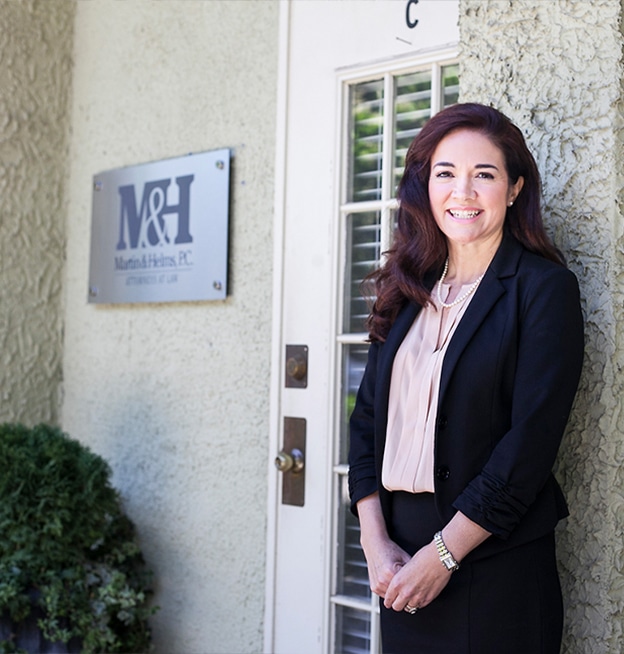
Attorney Tara Helms has represented injured individuals and their families in a wide range of personal injury and wrongful death claims, including car accidents and truck accidents, workplace accidents, and more. Contact Martin & Helms now.