
Catastrophic Injury Structured Settlements vs. Lump Sum Options
 When someone suffers a catastrophic injury, such as a severe traumatic brain injury or spinal cord damage, their life is changed forever. Not only do they likely have high upfront medical costs, but they will probably need ongoing medical care for their condition for the rest of their life. The compensation you receive after a catastrophic injury plays a huge role in what the rest of your life looks like, so it’s not just how much you get that matters, it’s also how that money is structured.
Wondering what your next steps are after a catastrophic injury in Alabama? The team at Martin & Helms is here to advocate for you. Call us today to schedule a consultation with our catastrophic injury attorneys now.
The importance of settlement structure in catastrophic cases
The challenges a victim faces after a minor or moderate injury are different from the struggles they face after a catastrophic injury. The fact is that catastrophic injuries don’t end after a case is settled. Victims require lifelong medical care, have ongoing surgical needs, face a lifelong loss of earning ability, and may require ongoing therapy or adaptive equipment.
When a person suffers a catastrophic injury in Alabama, the value of a settlement is not limited to current medical bills or short-term losses. Alabama law allows injured individuals to recover damages for future medical care, permanent impairment, loss of earning capacity, and other long-term consequences of a serious injury. Selecting a qualified and experienced attorney is essential to ensuring that a settlement or verdict fully accounts for these legally recoverable damages. An attorney familiar with catastrophic injury litigation in Alabama understands how juries, insurers, and courts evaluate these claims and how to develop the evidence necessary to support substantial future damages.
In Alabama catastrophic injury cases, careful planning is just as important as liability. Experienced attorneys regularly work with treating physicians, life-care planners, vocational experts, and economists to project long-term medical needs and employment limitations in a way that complies with Alabama evidentiary standards. This planning plays a critical role when deciding whether a structured settlement, a lump-sum recovery, or a combination of both is in the injured person’s best interest. Thoughtful preparation helps ensure that compensation is designed to support the injured person’s medical care, financial stability, and quality of life over the long term—not just in the immediate aftermath of the injury.
What a lump sum settlement looks like
A lump sum settlement is a one-time payout that you receive after a personal injury claim is resolved. This approach is appealing to many people because it gives you control over the money. It’s in your account, you’re not reliant on future payments, and you can use the money as you choose.
There are several advantages to this type of payment. You get immediate access, so you can use the money to pay medical bills, cover home modifications, or tackle debt. Recipients can use the money to invest or use funds as they choose without having to wait for monthly deposits.
There are also significant drawbacks that may make you think twice. Money may be spent more quickly than expected, especially for someone with a history of poor financial decision-making or who is sensitive to financial pressure from loved ones.
Additionally, if you invest that money, those investment gains are taxable. If you do, in fact, run through the money too quickly, there’s no second chance. There are no new claims to refile.
A lump sum settlement may be the right option for someone who has urgent large purchases, significant financial discipline, and guidance from financial advisors.
What a structured settlement looks like
A structured settlement is typically guaranteed through an annuity backed by an insurance company, so there’s some peace of mind that comes with this arrangement. Payments may be annual or monthly, and there’s even room to request balloon payments for surgeries or other large purchases.
Typically, investment growth inside a qualified structured settlement is tax-free to the claimant, which gives them a major advantage over lump sum payments. This payment structure is also well-suited to those who have a tendency to overspend, as you can only spend what you receive monthly or annually. If you have dependents, structured settlement payments can continue for a set period after your death to named beneficiaries. This is one way to provide for children’s long-term needs, such as college, marriage, or home purchases.
There are disadvantages to consider, as well. There’s minimal flexibility with this type of structure, so if you run out of your monthly or annual funds early, you have to wait for your next payment date. After you’ve decided on a structure and agreed to it, it’s difficult to change it. This option can also feel restrictive to those who want freedom over their own investments.
Important legal considerations
Receiving a lump sum may affect eligibility for needs-based benefits like SSI or Alabama Medicaid. The same applies if you receive monthly payments that exceed the income cap. Working with experienced attorneys and financial planners can help you protect your access to benefits and still receive the funds allotted to you.
When each option may be a better fit
Everything depends on your personal circumstances and goals. A lump sum may be a better option for those who have immediate financial needs, such as home upgrades, a wheelchair van, or massive medical debt. It can also be the right choice for someone with access to trusted financial advisors and who shows good decision-making skills when it comes to financial management. A trust or conservatorship can also help ensure that this money is used appropriately.
A structured settlement may be a better option for those who have a long life expectancy ahead of them and who risk having a lump sum run out before they pass. It’s also a good choice for those at risk of exploitation, whether by scammers or creditors, or by family members who push for loans that are never repaid or investments that don’t pan out.
Start your catastrophic injury claim with Martin & Helms
At Martin & Helms, we focus on fighting for every bit of compensation our clients are entitled to. If you’ve suffered a catastrophic injury, let’s talk about what comes next. Reach out online or call us today.
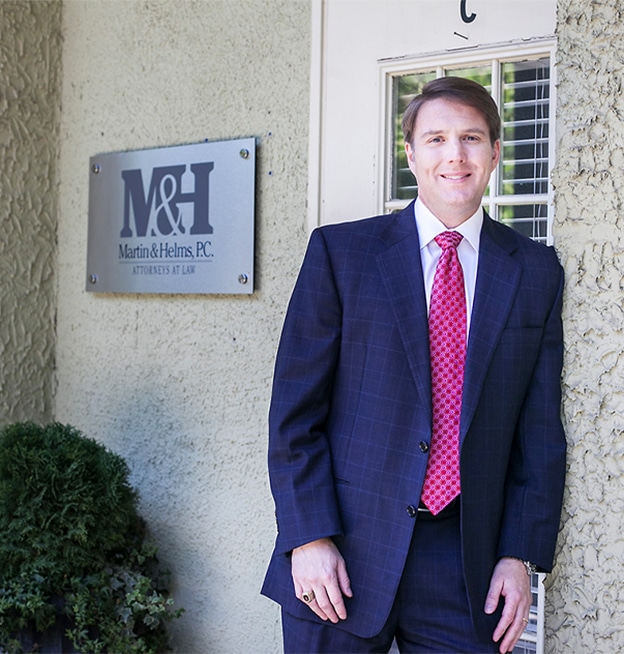
Since 1995, Clay Martin has concentrated his practice on representing individuals and the families of individuals who have been harmed or injured as a result of the wrongful acts of others. If you need reliable legal help, contact Martin & Helms now.