
Rear-End Collisions on Memorial Parkway: Fault, Injuries, and Compensation
 According to a traffic study conducted in the City of Huntsville, approximately 125,000 vehicles traveled on Memorial Parkway every weekday. Huntsville has continued to grow in the years since the publication of that report, and traffic volume along this busy corridor has likely increased as well. As one of Huntsville’s primary north-south corridors, Memorial Parkway now sees more than its fair share of commuters, commercial vehicles, and visitors traveling through the city.
During peak commuting hours, Memorial Parkway’s high traffic volume can lead to sudden slowdowns, frequent lane changes, and other unsafe driving conditions that can increase the likelihood of rear-end collisions. Here’s a quick explanation of why rear-end collisions are so common in high-traffic areas and an overview of the legal options available to Alabamians injured in these accidents.
What drivers should know about Memorial Parkway
Memorial Parkway plays a unique role in Huntsville’s infrastructure because it consists of both a central freeway and adjacent frontage roads that connect drivers to residential and commercial areas throughout the city. While the Parkway provides a readily accessible north-south route through Huntsville, it also intersects with a number of local streets where passenger vehicles, commercial vehicles, bicycles, and pedestrians must share space.
Because Memorial Parkway consists of a combination of limited-access highways and local frontage roads, traffic tends to move at varied paces along the different portions of the corridor. Huntsville’s growing population further impedes traffic flow along Memorial Parkway, which can create hazardous and unpredictable conditions during peak travel times.
Why rear-end collisions are common on Memorial Parkway
According to the National Safety Council (NSC), rear-end collisions are one of the most common types of crashes in the United States. As if these crashes weren’t common enough, the unusual layout of Memorial Parkway, coupled with Huntsville’s ever-increasing traffic density, may increase the likelihood of drivers being involved in these collisions when traveling along the Parkway.
But why does there seem to be such a significant link between traffic congestion and rear-end collisions? Here are a few of the factors that may increase the risk of a rear-end collision in a high-traffic environment:
Stop-and-go traffic
We’ve all been there. Traffic is backed up on the Parkway approaching Governors Drive or Airport Road, and you’re forced to alternate between inching forward and screeching to a halt with very little warning. If a driver fails to notice that traffic ahead is coming to a stop or becomes overzealous when traffic starts moving again, they may not have enough time or distance to safely avoid striking the vehicle in front of them. This is a classic rear-end accident scenario and can result in extensive property damage and potentially serious physical injuries.
Improper lane changes
Frustrated drivers often want to find a shortcut out of traffic jams, which may lead to sudden or improper lane changes. When a driver suddenly changes lanes without signaling or attempts to squeeze into too small a gap, they may end up rear-ending a vehicle in front of them or being rear-ended themselves. This kind of driving behavior often serves to do little more than make a bad situation worse and can cause serious harm to other nearby motorists.
Distracted driving
One of the most common causes of rear-end collisions during traffic congestion is distracted driving. When traffic moves slowly or intermittently stops entirely, drivers can be tempted to fiddle with their phones, GPS systems, radios, or other devices. Alabama’s hands-free law generally prohibits holding a phone while driving, including when temporarily stopped in traffic.
Some rear-end collisions cause a sort of domino effect that can lead to a multi-car pile-up or cause additional property damage. The risk of a chain reaction crash can be particularly significant on a road like Memorial Parkway, where cyclists, pedestrians, and other kinds of traffic may all be present simultaneously. In these cases, one driver’s temporary lapse in judgment can have devastating consequences for multiple parties and raise serious questions about who should be held responsible under the law.
Who is at fault for a rear-end collision?
Determining fault in a rear-end collision can get a little complicated. Generally speaking, the driver who does the rear-ending is typically considered at fault for their failure to follow the car in front of them at an appropriate distance. However, there are some cases where the driver of the rear-ended vehicle may be deemed fully or partially responsible due to their own negligence.
If an investigation reveals that the leading driver changed lanes without signaling, stopped unexpectedly for no apparent reason, or was knowingly operating a vehicle with defective brake lights, for example, the rear-ended driver may be assigned responsibility for the crash. Even seemingly minor details matter in these cases because Alabama adheres to a strict contributory negligence system. Under this rule, if a driver exhibited any negligence that may have contributed to their accident or subsequent injuries, they may be barred from recovering compensation from any other parties.
Contributory negligence policies can seriously compromise an injured accident survivor’s ability to recover compensation for their losses, but there are often exceptions to the rule and legal strategies that can help. An experienced car accident attorney can help injured victims push back against baseless claims of contributory negligence and work with them to identify any potential sources of compensation that may be appropriate in their case.
Common injuries in rear-end collisions
Even though some rear-end collisions on Memorial Parkway take place at relatively low speeds, vehicle occupants may not have adequate time to brace for impact prior to a crash. The jerky, back-and-forth motion people experience in a rear-end collision can cause serious harm to unsuspecting victims by way of injuries like:
- Whiplash
- Concussions and other traumatic brain injuries (TBIs)
- Lacerations
- Bruising
- Internal bleeding
- Organ damage
- Back injuries like herniated discs or even spinal cord injuries
- Broken bones
While some of these injuries require only minor medical attention and brief recovery periods, others can have a more lasting impact. When a rear-end collision victim suffers a severe injury like a TBI or spinal cord damage, they can be left with long-term disabilities and extensive care needs. These kinds of injuries come at high costs for survivors and their families and may cause physical, emotional, and financial strain for years to come.
What compensation is available for injured victims?
If you can show that your accident-related injuries happened because of another motorist’s negligence and that you did not also contribute to the harm you suffered, you may be entitled to compensation under Alabama law. Depending on the facts of your case, you may be eligible for economic and non-economic damages for losses like:
- Emergency medical treatment and hospital bills
- Long-term care and rehabilitation costs
- Prescription medication expenses
- Property damage
- Pain and suffering
- Emotional distress
- Therapy costs
- Lost wages and reduced lifetime earning potential
In cases involving particularly egregious misconduct or recklessness, the court may also order the defendant to pay punitive damages to the victim. This added penalty is meant to punish the at-fault party for their actions and deter them from behaving similarly in the future.
In Alabama, punitive damages in most personal injury cases involving physical injury are generally capped at three times compensatory damages or $1.5 million, whichever is greater, though exceptions may apply (such as wrongful death claims). Your car accident lawyer can help you calculate the full value of your accident losses and work with you to advocate for appropriate recovery under the law.
Final thoughts
As traffic congestion along Memorial Parkway continues to increase, local motorists may be at an increased risk of involvement in a rear-end collision. Thanks to Huntsville’s rapid population growth and ongoing commercial development, motorists must exercise enhanced caution when traveling via the Parkway’s limited-access highways and frontage roads.
At Martin & Helms, we’ve seen firsthand how Huntsville’s changing landscape continues to impact daily life for members of our community. When population growth and increased traffic congestion put locals at risk, our team responds with compassionate, knowledgeable legal support.
If you or someone you love was injured in a rear-end collision on Memorial Parkway, give us a call today or fill out our online contact form to schedule a free consultation with a member of our team. We are standing by to learn more about your case and help you make the most informed decision possible about how best to advocate for your rights.
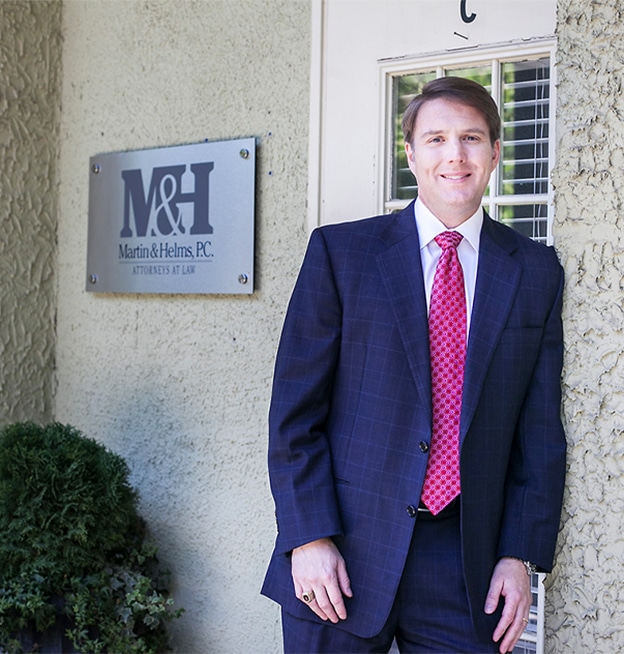
Since 1995, Clay Martin has concentrated his practice on representing individuals and the families of individuals who have been harmed or injured as a result of the wrongful acts of others. If you need reliable legal help, contact Martin & Helms now.